
Manufacturing Site Challenges and TRAILS Implementation
Real-time Indoor Positioning for Enhanced Manufacturing Efficiency
In manufacturing, worker movement significantly impacts productivity. In 24-hour manufacturing lines, the following challenges arise due to variations in workload by time period and individual work variations.
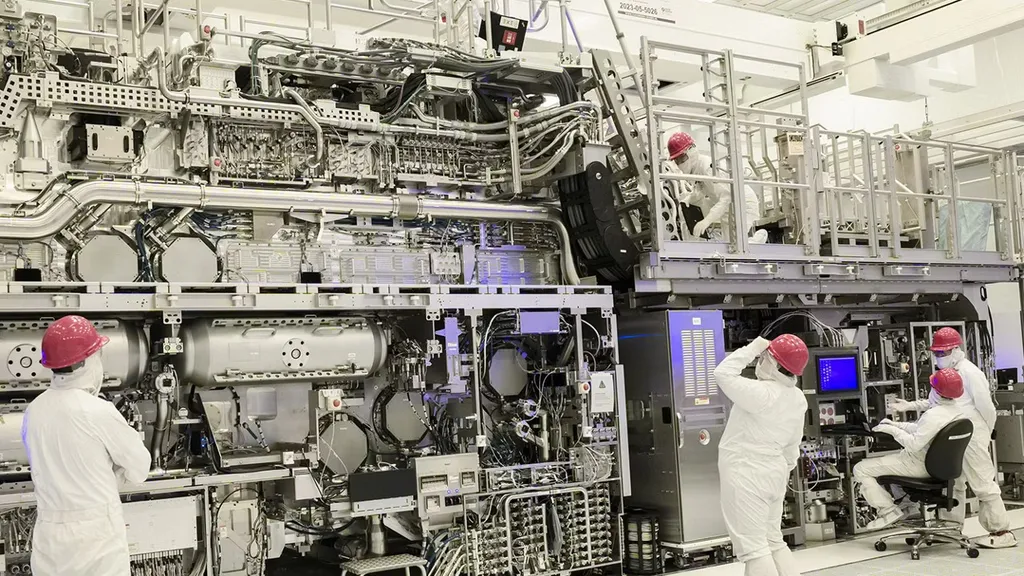
Typical Challenges in Manufacturing Sites:
- Personnel Allocation Issues Simultaneous occurrence of understaffed and overstaffed processes - In factories with around 100 workers, opportunity losses of hundreds of thousands of yen occur daily. While workers are on standby in some processes, other processes are understaffed, leading to reduced productivity. Shift work and varying workloads by time period make this problem more serious.
- Delayed Response Due to Unknown Worker Location When quality issues or equipment malfunctions occur, time is wasted identifying and locating workers who can respond. This leads to extended line stoppage time and increased quality risks.
- Difficulty in Fair Personnel Evaluation Worker operation status relies on managers' subjective observations, making accurate evaluation difficult. Especially for multi-skilled workers handling multiple processes, their contributions cannot be properly evaluated, hindering fair assessment and skill development opportunities.
What TRAILS Can Do
Real-time indoor positioning to improve factory operations productivity
Visualize worker movement using positioning technology with wearable devices. Achieve stable location information acquisition at lower initial costs compared to traditional beacons and Wi-Fi. Support quick decision-making by understanding manufacturing site conditions in real-time.
AI analyzes collected location and work data to automatically generate optimal work instructions. Workers receive automatic notifications about their next tasks through wearable devices. This enables efficient personnel allocation while reducing manager workload.
Automatically collect and analyze operational data by individual and process, providing objective evaluation metrics. This supports fair personnel evaluation and individual worker skill improvement.