
Logistics Industry Challenges and TRAILS Implementation
Real-time Indoor Positioning to Improve Productivity in Logistics Warehouses
A major logistics company with 50 operational centers and nearly 100 warehouses is currently using 200 beacons and smartphones to track approximately 50 workers out of every 100 warehouse staff. With stricter regulations on truck driver overtime implemented in 2024, reducing waiting times and improving logistics costs while maintaining worker engagement have become critical challenges. Warehouse operation efficiency and faster picking times are now essential priorities.
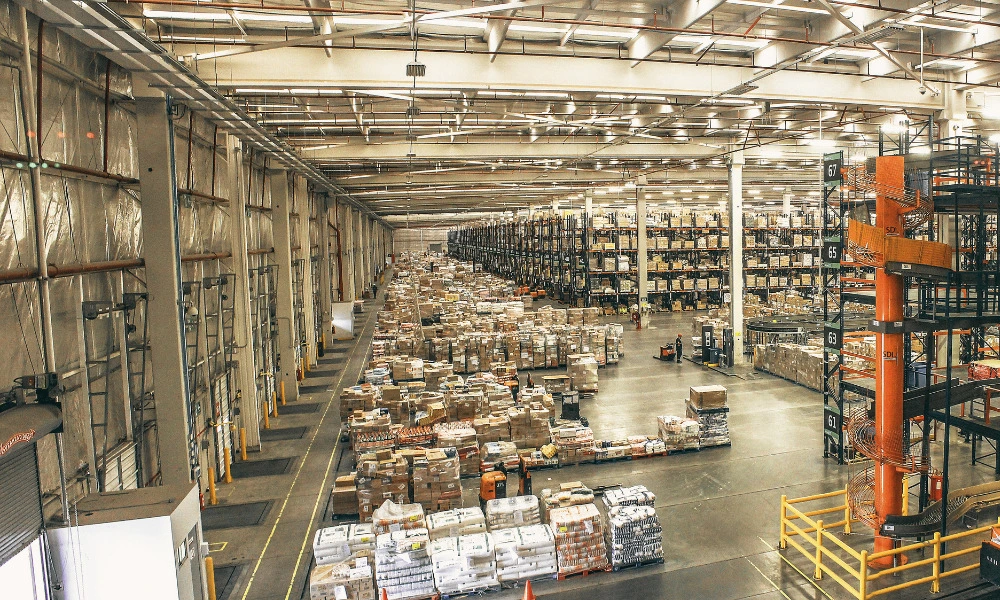
Existing solutions cannot implement the following initiatives::
- Maximizing Operational Efficiency Across All Facilities: The current system installation of beacons time and cost make it difficult to deploy across all facilities. With limited worker movement analysis and required manual adjustments, the system cannot achieve efficient tracking and analysis across all locations.
- Worker Health Management and Vital Sign Monitoring: There is no suitable indoor positioning solution for tracking worker locations and monitoring health conditions in harsh environments such as refrigerated warehouses and containers.
- Additional Operational Challenges: in inventory management, while significant time is spent on manual visual product inspection, temperature control for refrigerated trucks and inventory location tracking are required. There is also a need to understand warehouse inventory movement patterns and optimize storage fee calculations.
What TRAILS Can Do
Real-time indoor positioning to improve logistics operations productivity
Using smartphones and smartwatches, TRAILS provides real-time tracking of worker locations and health conditions (heart rate, stress levels). This enables early detection of abnormalities and prevents injuries.
AI analyzes worker movements to suggest optimal picking routes. The system continuously improves warehouse layouts based on seasonal trends, product categories, and historical data patterns.
Centralized management of data across all facilities enables efficient space utilization and reduced picking times. This improves operational efficiency while enhancing worker safety and satisfaction.